
Weekly Open Items View
Keeps active work, blockers, vendor dependencies, and next actions easy to follow.
The digital ordering ownership layer for growing restaurant groups
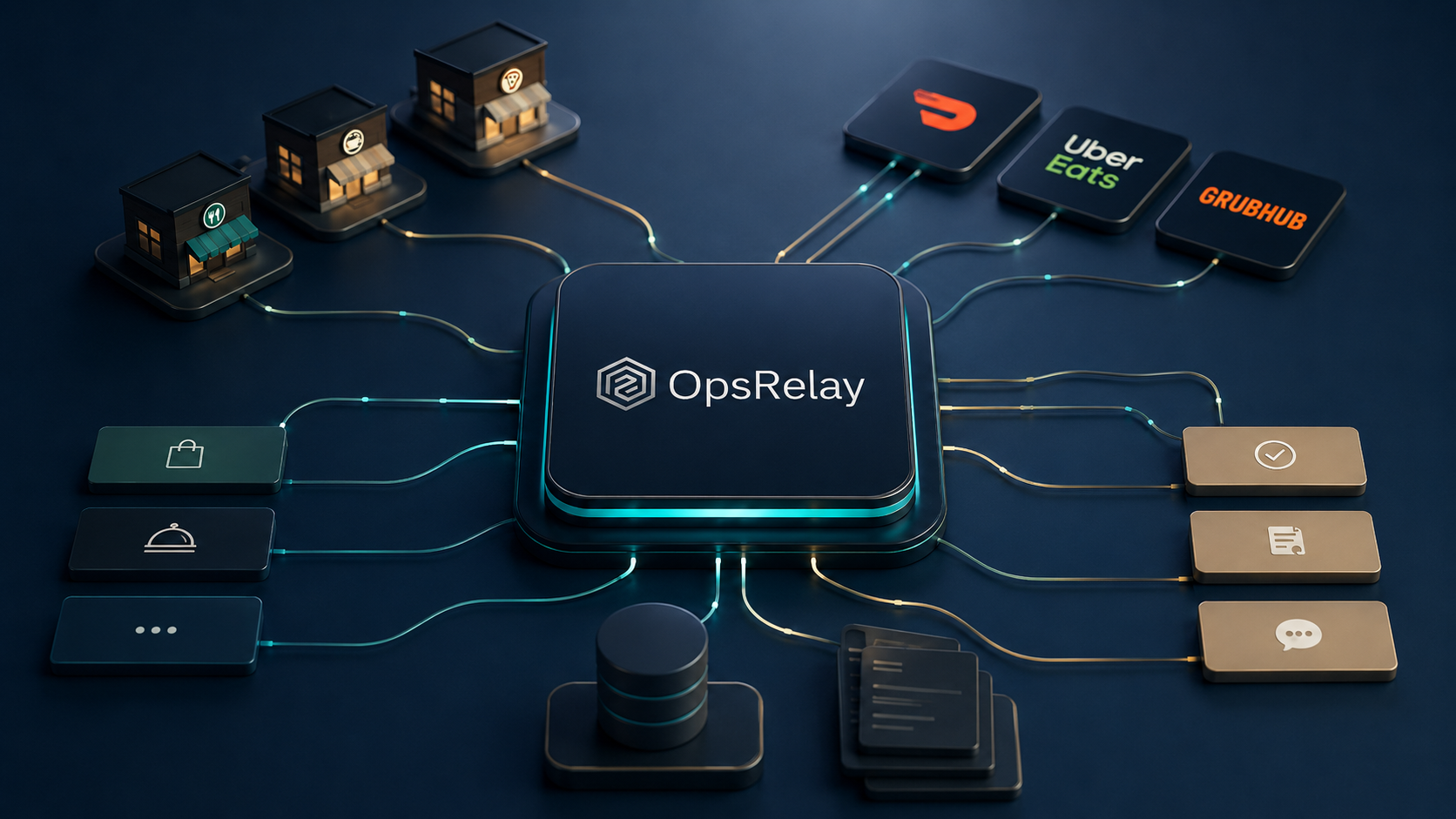
OpsRelay provides Monthly Digital Ops Ownership for growing restaurant groups that need routine ordering changes, Incident Handling, vendor follow-through, verification, operational memory, and leadership visibility across covered locations and channels.
The ownership gap
As locations, channels, menus, promotions, vendors, and ordering workflows grow, it is natural for the work to spread across store managers, operators, vendor contacts, or whoever remembers what happened last time. OpsRelay steps in to support your team by giving that layer a clear, reliable owner.
Manager time pulled into marketplace follow-up
Vendor threads spread across inboxes, portals, and store teams
Routine changes creating repeated follow-up
Issues bouncing between POS-adjacent systems, ordering platforms, marketplaces, and vendors
No durable record of what happened last time
Leadership without a steady view of open items, risks, and next actions
Ownership model
Monthly Digital Ops Ownership gives recurring digital ordering work a defined operating lane. Changes are received, tracked, followed through, verified, and kept visible so the layer does not depend on scattered memory or manager availability.
Routine digital ordering updates handled so details do not slip
Incident Handling for covered ordering workflows
Vendor follow-through that keeps requests moving
Post-change and post-incident verification
Operational memory for locations, channels, vendors, approvals, known issues, and prior work
Known issue and risk tracking
Weekly Open Items View when active work is in motion
Monthly Executive Scorecard for leadership
Visibility and governance
Clear visibility comes with the territory. OpsRelay keeps work in motion, open issues, vendor dependencies, risks, and next steps easy to follow, so operators and leadership know what is happening and where attention is needed.
Keeps active work, blockers, vendor dependencies, and next actions easy to follow.
Gives leadership a concise view of activity, open risks, dependencies, and recommended next actions.
Preserves known issues, channel drift, vendor dependencies, recurring risks, and account context.
Fit
OpsRelay is designed for restaurant groups where first-party ordering, delivery marketplaces, store execution, and vendor follow-through matter, but the digital ordering layer does not yet have a dedicated owner.
Operating layer
OpsRelay works best where recurring ordering updates, Incident Handling, vendor follow-through, verification, operational memory, and leadership visibility need a defined owner. The goal is to keep digital ordering work organized, tracked, followed through, and visible as the business grows.
Next step
Share your location count, ordering channels, current ownership process, and what prompted the inquiry. OpsRelay will help determine whether Monthly Digital Ops Ownership, a limited Digital Ops Readiness Review, or an ownership path with upcoming Project Support is the right next step.